
Food Deserts & The Toll on Reproductive Health
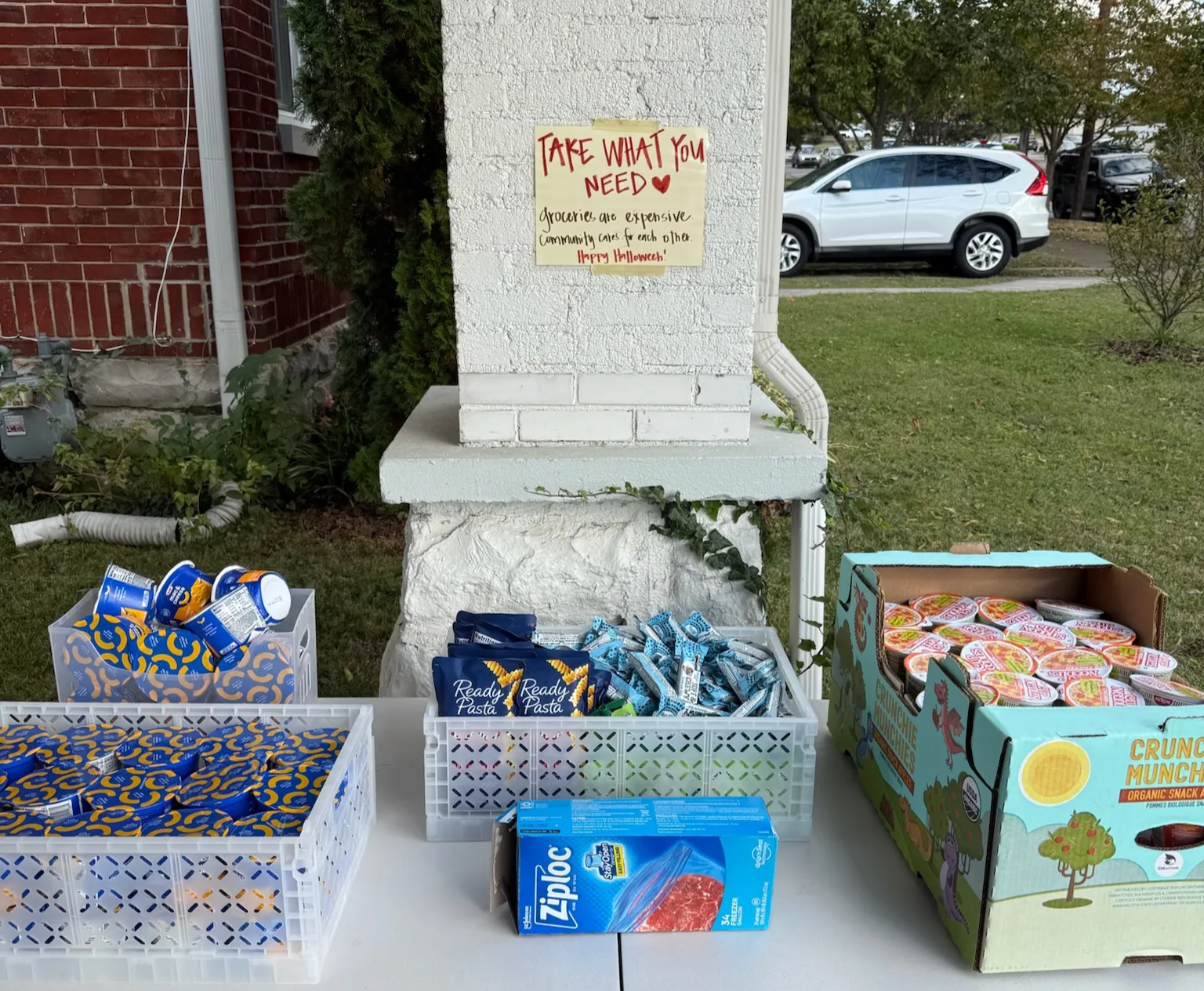
Nourishment is a Right: Why Food Deserts Matter for Reproductive Health
At Comma, we believe that caring for ourselves means caring for every part of our lives, including the foods that fuel us. Many of us take for granted having consistent access to healthy, nutritious options, failing to recognize that for 19 million Americans, food remains a scarcity. Living in a food desert, where healthy food is scarce or inaccessible, affects all facets of health, including reproductive health, pregnancy, and postpartum well-being.
What is a Food Desert?
A food desert is a neighborhood or geographic area where access to affordable, healthy food is severely limited or nonexistent due to absence of grocery stores nearby. Without reliable transportation to reach nutritious options farther away, many residents are left relying on fast-food chains or convenience stores that primarily offer foods high in fat, sugar, and salt. These environments often overlap with what’s known as a food swamp—areas saturated with inexpensive, highly processed, and calorie-dense foods. Together, food deserts and food swamps create a disproportionate burden for low-income and historically marginalized communities.
The causes are layered: systemic disinvestment, lack of transportation, economic inequality, and even the legacy of racial segregation. Some advocates prefer the term “food apartheid,” because it highlights how policy and power have structured where food is, or isn’t, available.
Food deserts are more than an inconvenience; they reflect a broader public health crisis. Living in an area with inadequate access to healthy, nutritious foods is linked to shorter life expectancy and higher rates of cardiovascular disease, diabetes, and obesity.
How Food Deserts Affect Reproductive Health
A balanced diet rich in fruits, vegetables, whole grains, and protein supports healthy fetal growth. In food deserts, however, these staples prove inaccessible. Diets high in processed foods and low in essential nutrients can undermine fetal brain development and immune function, causing direct harm to a developing fetus.
Food Insecurity & Pregnancy Complications: In one of the largest studies to date, involving 19,338 pregnant individuals, 14% reported experiencing food insecurity during pregnancy. Those who did faced significantly higher risks of several pregnancy complications, including gestational diabetes, preeclampsia, preterm birth, and neonatal ICU admissions.
Low Birth Weight & Preterm Birth: The effects of food insecurity extend to babies, too. A recent systematic review and meta-analysis found that people who were food insecure were more than three times as likely to deliver a low birth weight baby compared to those with secure access to food. This goes hand in hand with preterm births, as women living within food deserts have been found to have a significantly increased risk of preterm births—likely caused by the increased rates of gestational hypertension (high blood pressure during pregnancy), linking limited healthy food access to early delivery risk.
Long-Term Complications: Food insecurity around the time of conception can have lasting effects on both parents and children. Studies link it to nutritional deficiencies, increased stress, and elevated risk of anxiety and depression for pregnant individuals, as well as early developmental challenges for infants. Access to food assistance programs, such as SNAP benefits, has been shown to help mitigate these risks by improving diet quality and reducing stress, highlighting the importance of integrating food security support into clinical care and public health policy.
The Bigger Picture: Why Do Food Deserts Exist?
Food deserts aren’t an accident. They’re rooted in deep structural issues.
Historical disinvestment: Policies like redlining have shaped which neighborhoods get grocery stores and which don’t.
Economic barriers: Low-income communities may not be seen as “profitable markets,” so major grocery chains avoid them.
Transportation challenges: Even if healthy food is “available” in the region, people may lack cars or face inadequate public transit, making access effectively out of reach.
Understanding these roots helps us see that food deserts are a systemic issue, not a personal failing, and that solutions require both local and policy-level action.
How You Can Help This Thanksgiving Season
Thanksgiving can be a powerful time to make a difference in fighting against food insecurity. Here are few meaningful ways to help, and some reputable organizations you can donate to.
Volunteer Locally: Whether it’s helping at a food bank, sorting food, or packing holiday meal boxes—your time matters. Local pantries often need extra hands in November and December.
Organize a Holiday Food Drive: You can rally friends, family, or co-workers to collect nonperishable foods. This work is needed, especially given the recent cuts to programs like SNAP. No matter how small, every effort is recognized, valued, and needed.
Donate! Here are some trusted groups you can donate to or volunteer with to support food-insecure communities this season:
Feeding America — The largest hunger-relief network in the U.S., with more than 200 food banks and 60,000 partner agencies. Donations go directly to distributing meals
WhyHunger — Works on both immediate hunger relief and long-term structural change, supporting grassroots organizations and advocacy.
Food Recovery Network — A student-driven national nonprofit that recovers food from college campuses and local businesses, redistributing it to food-insecure communities.
This Thanksgiving season, we all have the power to help—whether by donating, volunteering, or simply raising awareness. Every meal shared, every hour volunteered, and every dollar given brings us closer to a world where access to nourishing food isn’t a privilege, but a right for everyone.
Sources
Healthline: What Are Food Deserts? All You Need To Know
Food Empowerment Project: Food Deserts
American Cancer Society: Living in Food Deserts Is Associated with Shorter Life Expectancy in the US, New Research Shows
Kaiser Permanente: Food insecurity linked to increased risk of complications in pregnancy
National Library of Medicine: Maternal food insecurity increases the risk of low birth weight babies: Systematic review and meta-analysis
National Library of Medicine: Association of Food Desert Residency and Preterm Birth in the United States
Food Research & Action Center: The Impact of Food Insecurity on Women’s Health
Feeding America: U.S. Hunger Relief Organization
Why Hunger: Nutritious Food is a Human Right
Food Recovery Network: Fighting Waste. Feeding People.
