Letters to Our 16-Year-Old Selves: What We Wish We Knew About Menstrual & Reproductive Health
— THE SHORT VERSIONYour menstrual cycle is more than your period. It's a month-long reflection of your hormonal and overall health, and learning your body's patterns can help you better understand, advocate for, and care for yourself.
You are not alone. Periods, birth control, and reproductive health shouldn't be taboo—talking openly with friends and trusted providers helps break stigma and reminds us that so many of us share the same questions and experiences.
Trust your body and advocate for yourself. Severe pain isn't something you have to "just live with," there are no silly questions in the doctor's office, and if something doesn't feel right, it's always worth getting checked.
Although each letter is unique, they all arrive at the same message: your body deserves curiosity instead of shame, your pain deserves to be believed, and you deserve healthcare that listens.
Sixteen is an age full of questions. Questions about your body, about periods, about birth control, and about what's considered “normal” and what's not.
For many of us, those questions were met with silence, embarrassment, or answers that felt incomplete. We learned through trial and error, late-night Google searches, conversations with friends, and experiences we wish we'd understood sooner.
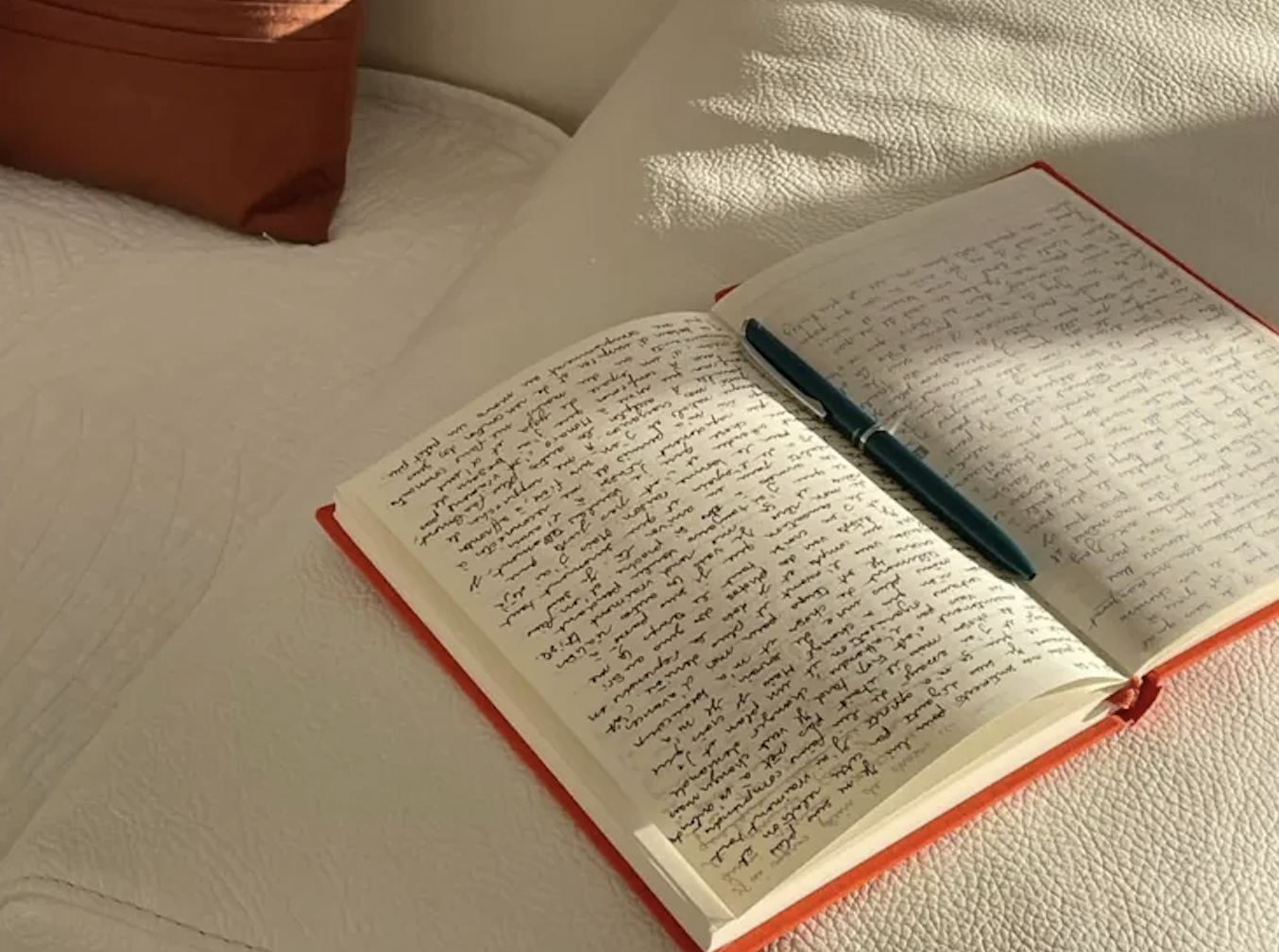
We asked people on our team to write a letter to our 16-year-old selves. Here’s what we’d want them to know.
“Your menstrual cycle is more than just the days you bleed. It is an intricate series of hormonal changes that impact everything from your energy levels, physical sensations of pain, and metabolism. The cycle includes every day of the month and both contributes to and is a reflection of your overall health. Resist the temptation to treat your period as just a nuisance to be dealt with. Remember that your cycle can teach you so much about your body if you just pay attention. Keep track of the changes you notice in your body and overlay them with the phases of your cycle - you’ll start to notice patterns that will help you be proactive about your health. It might feel confusing (and a little witchy) to try to live in concert with the way your body ebbs and flows, but if you start listening to what your body is telling you, you will learn how to harness the power that information provides.”
“For the most part, your friends are all experiencing the same thing. You aren’t alone, nor are you a freak. Someone just has to be brave and open the conversation first. I’m proud of you for seeking out birth control pills. Don’t be afraid to advocate for yourself when side effects get overwhelming—there are lots of contraceptive options and you will find a right fit choice (spoiler: for you it’s an IUD). Any boy (or any person) that’s grossed out by periods is not worth your time or attention. It takes time and effort, but feel safe knowing you’ll eventually end up surrounded by supportive people who never make you feel that your body is deficient or your dreams too wild ❣️”
“1. Literally half the population menstruates, talking to your friends about it is powerful NOT weak, 2. There are no stupid questions you can ask your doctor, the more you ask the more comfortable you become in that setting, 3. This is a marathon, not a sprint, you are allowed to change your mind on how you take care of your own body and try different forms of birth control, 4. If something doesn’t feel right, you will never regret getting it checked!! ”
“You’re going to have to advocate for yourself in the healthcare system, but it will all be a learning process. It won’t always be easy, but every appointment, every question, and every conversation will make you more confident. And I just want you to know, it’s not “normal” to endure the level of pain you do during your period!!! In a few years you will receive the diagnosis you’ve been searching for — don’t stop asking questions until someone listens. Ironically, the experiences that once made you feel alone will eventually shape your career. Your journey in menstrual and reproductive health is just beginning, and you’ll dedicate your career to helping women find answers more quickly and seamlessly than you did. ”
“Your cycle is not going to be a perfect 28 days, and that’s fine. It’s also more than just your period. There are four phases, and you’ll feel like a slightly different person in each one, from the low energy of your period, to the lift of the follicular phase and ovulation, to the bloating and short fuse of the luteal stretch. And stress changes all of it, so stop panicking about why yours never looks like the tidy diagram from health class.”
“There’s no such thing as a single “normal” when it comes to reproductive or menstrual health. Normal looks different to everyone—figure out what yours is and pay attention to deviations from your own norm. Don’t compare to others! Pain doesn’t have to be an inherent part of womanhood; trust your instincts and if something feels off, speak up!”
Read back to back, these six letters aren't really six different stories. They're the same handful of truths, arrived at independently.
Your pain is data, not something to endure quietly. Your friends are living the same confusion you are, so say something first. The healthcare system will require you to advocate, sometimes loudly, before it listens. And the answer is rarely one-size-fits-all: it takes trying, adjusting, and trusting yourself enough to keep going until something actually fits.
None of us got here with a manual. We got here by paying attention to our bodies long enough to trust what they were telling us, and by refusing to accept “that's just how it is” as an answer to real pain.
If you're 16, we hope these letters help you ask the question you've been afraid to ask. And if you're older, maybe they remind you that it's never too late to start listening to your body—or to become the person you once needed.
Written By: