
Beyond Weight Loss: What GLP-1s Could Mean for PCOS
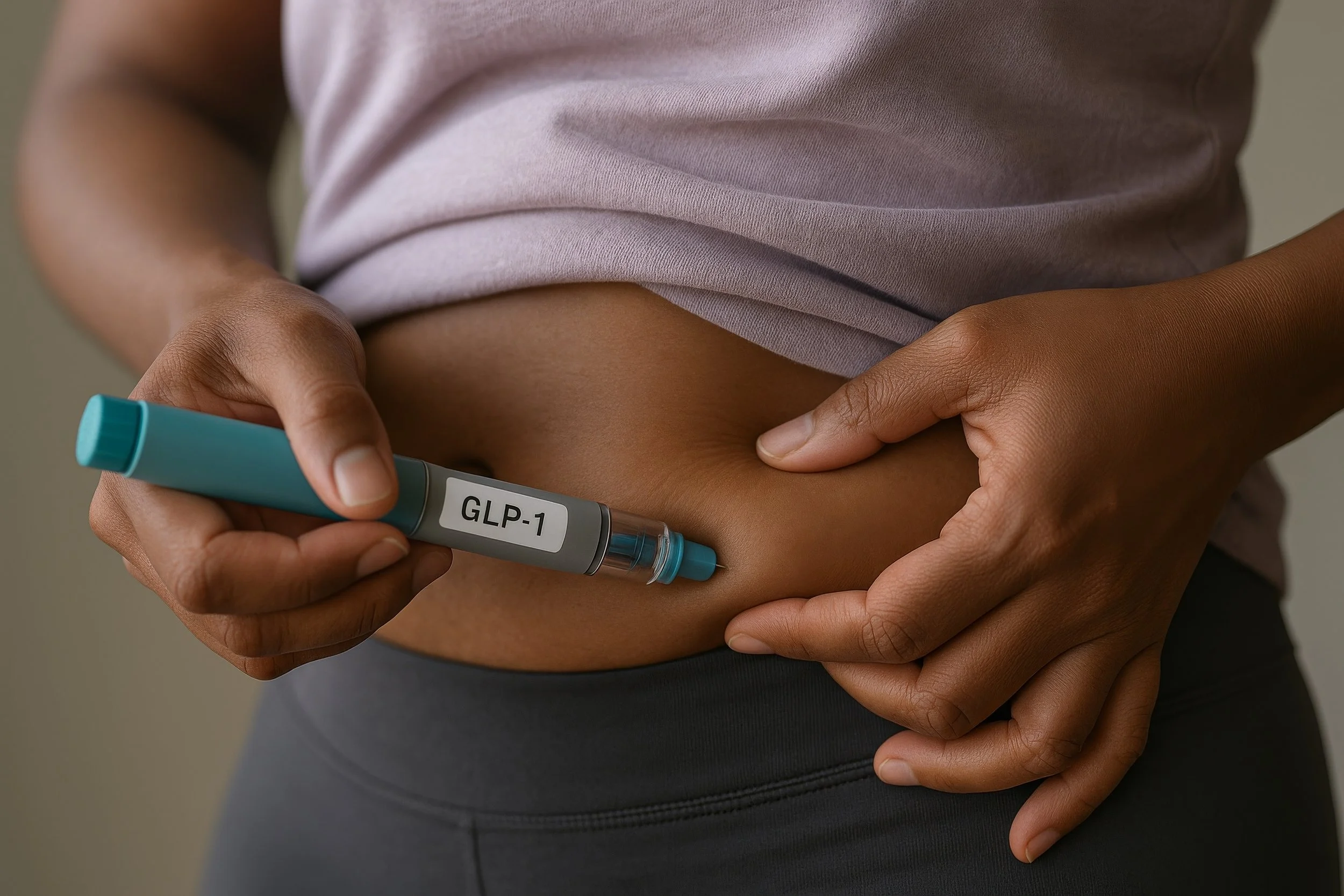
Lately, you might have seen GLP-1 medications in the news or on social media, often talked about as “weight loss drugs.” But for many women living with polycystic ovary syndrome (PCOS), the conversation isn’t just about pounds on a scale. It’s about feeling seen, understood, and supported in a condition that affects millions of women and is still widely misunderstood.
This article breaks down how GLP-1s connect to PCOS in a way that’s easy to understand, no matter your background in health or medicine.
What Is PCOS, Really?
PCOS isn’t just about irregular periods. It’s a hormonal and metabolic condition that can affect the whole body. Many people with PCOS experience things like:
Irregular or missed periods
Acne or excess facial or body hair
Difficulty getting pregnant
Low energy or feeling fatigued
Trouble managing blood sugar levels
A key part of PCOS that often gets overlooked is insulin resistance. Insulin is a hormone that helps move sugar from your blood into your cells for energy. When your body doesn’t respond well to insulin, it makes more of it. Over time, high insulin levels can lead the ovaries to produce more androgens (sometimes called “male hormones”), which can worsen many PCOS symptoms.
Moving Beyond a Weight-Focused Approach
For years, many women with PCOS have been told that weight loss is the main solution to their symptoms. This can feel frustrating, discouraging, and even stigmatizing. The growing interest in GLP-1s for PCOS reflects a shift toward focusing on what’s happening inside the body, not just how it looks on the outside. This metabolic side of PCOS is where GLP-1 medications come into the picture.
By addressing insulin resistance and hormonal balance, treatments like GLP-1s help move the conversation toward health, function, and quality of life.
What Are GLP-1s?
GLP-1s (glucagon-like peptide-1 receptor agonists) are medications that were first developed to help people with type 2 diabetes manage blood sugar. They work by helping the body:
Use insulin more effectively
Keep blood sugar levels more stable after meals
Slow digestion so you feel full longer
Reduce hunger signals in the brain
Because insulin resistance is so common in PCOS, researchers began asking an important question: could GLP-1s help support the underlying metabolic issues that drive many PCOS symptoms?
How GLP-1s May Help With PCOS
Early research and clinical experience suggest GLP-1s may help some people with PCOS by addressing insulin resistance directly. Potential benefits include:
Better blood sugar and insulin control
Lower insulin levels that can contribute to hormone imbalance
Improvements in menstrual cycle regularity for some people
Better heart and metabolic health markers
Support with weight regulation in a way that feels more sustainable
While weight changes can happen, many of the benefits people report go beyond the number on the scale. For PCOS, improving how the body processes insulin and regulates hormones can be just as important, if not more so.
GLP-1s and Women’s Health: More Than One Condition
Researchers are also exploring how these medications may impact women’s health more broadly. Some emerging research is looking at their potential role in conditions that disproportionately affect women, including hormonal changes, fertility-related concerns, and long-term cardiometabolic health.
For example, large studies have found that GLP-1 medications may support heart and metabolic health in ways that go beyond weight loss. In a major analysis of clinical trials, people taking GLP-1s had a 13% lower risk of serious heart-related events (like a heart attack or stroke) compared with people who weren’t taking them. These medications have also been linked to improvements in things like blood pressure and other markers tied to long-term cardiometabolic health.
What GLP-1s Can’t Do
It’s important to be clear: GLP-1s are not a cure for PCOS. Everyone’s body responds differently, and these medications don’t work the same way for everyone. Research on GLP-1s specifically for PCOS is still growing, especially when it comes to long-term use, fertility planning, and pregnancy.
That’s why GLP-1s should always be discussed with a healthcare provider and considered as part of a bigger picture that may include nutrition, movement, stress management, mental health support, and other treatments.
The Bottom Line
PCOS is complex, and no single treatment works for everyone. But GLP-1s are opening the door to more honest conversations about metabolic health and how it impacts women’s hormones, cycles, and overall well-being.
If you’re living with PCOS and curious whether GLP-1s could be part of your care, a conversation with a trusted healthcare provider is a meaningful place to start. You deserve care that looks at the full picture of your health, not just a number on a scale.
How Comma Can Support your PCOS Journey
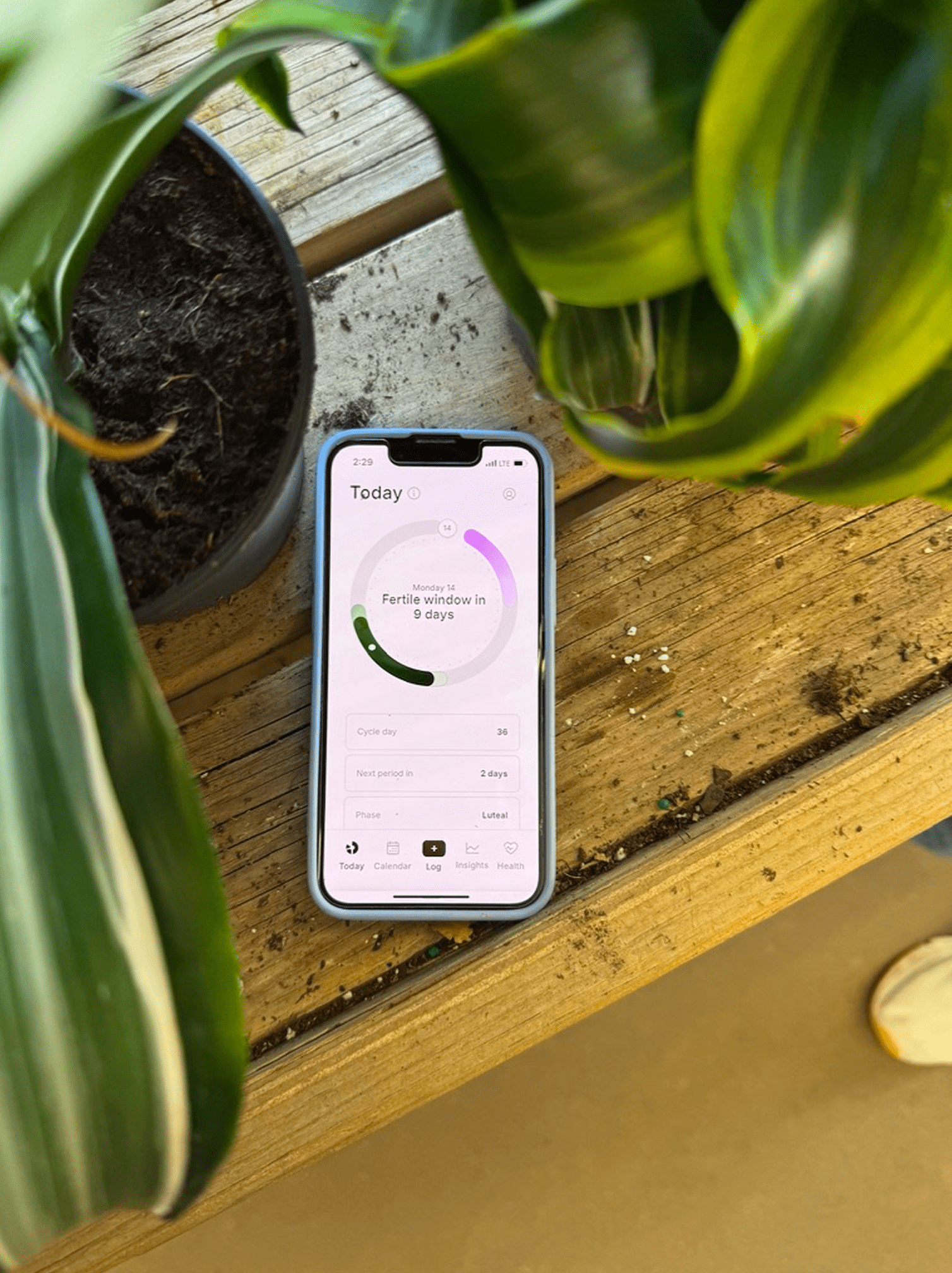
Managing PCOS can feel overwhelming, especially when symptoms change over time or are hard to explain during a short doctor’s visit. That is why we built tools that help you track what is happening in your body and support more open and honest conversations with your care team.
Last summer, we launched the PCOS Condition Monitoring Tool within Sara™, designed for people living with or exploring signs of polycystic ovary syndrome.
To access the tool, go to the Health page in Sara™ and look under the Clinical Conditions tab. Once you log a PCOS diagnosis, you will unlock the PCOS Condition Monitoring Tool.
This tool allows you to track PCOS related symptoms and patterns over time, all in one place. Instead of relying on memory alone, you can use your tracked data to better explain your experiences and advocate for care that reflects how PCOS shows up in your daily life.
The goal is not to diagnose or replace medical care, but to help you feel informed, prepared, and confident when speaking with your clinician. At Comma, we believe better health starts with better conversations and tools that put you at the center of your care.
Sources
National Library of Medicine: Polycystic ovarian syndrome
National Library of Medicine: Glucagon-Like Peptide-1 (GLP-1) Receptor Agonists: Exploring Their Impact on Diabetes, Obesity, and Cardiovascular Health Through a Comprehensive Literature Review
National Library of Medicine: Efficacy and safety of GLP-1 receptor agonists on weight management and metabolic parameters in PCOS women: a meta-analysis of randomized controlled trials
National Library of Medicine: The Potential Role of Glucagon-Like Peptide-1 (GLP-1) Agonists for Polycystic Ovary Syndrome
National Library of Medicine: GLP-1 receptor agonists for cardiovascular outcomes with and without metformin. A systematic review and meta-analysis of cardiovascular outcomes trials
National Library of Medicine: Incretin Hormone Secretion in Women with Polycystic Ovary Syndrome: Roles of Obesity, Insulin Sensitivity and Treatment with Metformin and GLP-1s
